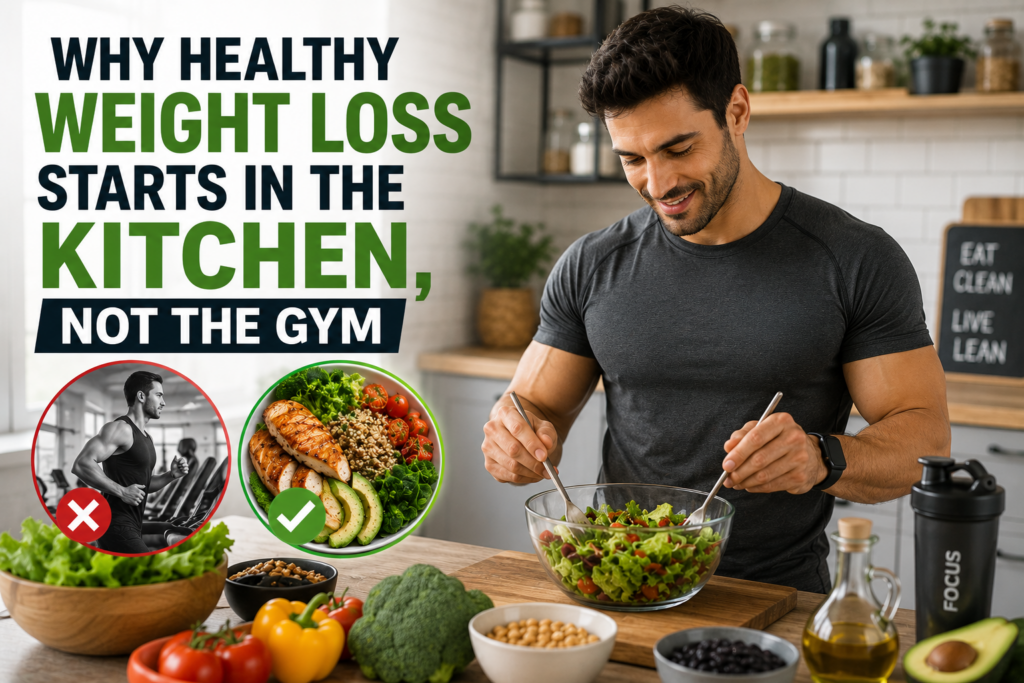
When most people decide to lose weight, their first instinct is often to join a gym, start an intense workout program, or commit to daily exercise sessions. While physical activity is undoubtedly important for overall health, many people are surprised to learn that successful and sustainable weight loss often begins somewhere else entirely: the kitchen.
In 2026, health experts continue to emphasize a simple truth that has been supported by years of research and real-world experience. Exercise can help support weight loss, but nutrition is usually the foundation of long-term success.
If you’ve been working hard in the gym without seeing the results you expected, it may be time to take a closer look at what happens before and after your workouts. Understanding the relationship between nutrition, metabolism, daily habits, and supportive wellness strategies can help you create a more effective approach to reaching your goals.
Why Exercise Alone Often Isn’t Enough
Many people assume that burning calories through exercise is the fastest path to weight loss. Unfortunately, the math is not always that simple.
A typical workout may burn a few hundred calories, but it’s surprisingly easy to consume those calories again through a sugary drink, snack, or oversized meal.
For example:
- A 30-minute walk may burn approximately 150–250 calories.
- A flavored coffee beverage can contain more than 300 calories.
- A fast-food meal may contain over 1,000 calories.
This doesn’t mean exercise is unimportant. Rather, it highlights why food choices often have a greater impact on weight management than workouts alone.
The Modern Diet Challenge
Today’s food environment presents challenges that previous generations did not face to the same extent.
Highly processed foods are available everywhere. Many products are engineered to be extremely tasty while offering little nutritional value. They are often high in:
- Added sugars
- Refined carbohydrates
- Artificial ingredients
- Unhealthy fats
These foods can make it difficult to maintain a calorie balance while also increasing cravings and hunger throughout the day.
As a result, many people unknowingly consume more calories than their bodies need.
Building a Weight-Loss-Friendly Kitchen
The good news is that creating a healthier eating environment does not require perfection.
Small adjustments can produce meaningful results over time.
Consider stocking your kitchen with:
Lean Protein Sources
Protein supports muscle maintenance and helps people feel satisfied after meals.
Examples include:
- Chicken breast
- Turkey
- Fish
- Eggs
- Greek yogurt
- Cottage cheese
Fiber-Rich Foods
Fiber slows digestion and promotes fullness.
Examples include:
- Vegetables
- Fruits
- Oats
- Beans
- Lentils
- Whole grains
Healthy Fats
Healthy fats support overall wellness and can improve meal satisfaction.
Examples include:
- Avocados
- Nuts
- Seeds
- Olive oil
By focusing on nutrient-dense foods, many people naturally reduce overeating without feeling deprived.
Why Portion Awareness Matters
One of the biggest reasons weight loss stalls is portion distortion.
Restaurant meals, takeout foods, and packaged snacks are often much larger than people realize.
Learning to recognize appropriate portion sizes can dramatically improve weight management without requiring strict dieting.
Simple strategies include:
- Using smaller plates
- Eating slowly
- Avoiding distractions during meals
- Paying attention to hunger signals
These habits can help reduce unnecessary calorie consumption while improving satisfaction.
The Hidden Role of Metabolism
Metabolism is often misunderstood.
Many people blame a “slow metabolism” for weight gain, but lifestyle factors frequently play a larger role.
Metabolic efficiency can be influenced by:
- Physical activity
- Sleep quality
- Stress levels
- Hydration
- Nutritional habits
Supporting these areas may help the body function more effectively and create a healthier environment for weight management.
Why Sleep Deserves More Attention
Many people focus on calories and workouts while ignoring sleep.
Poor sleep can affect:
- Appetite regulation
- Energy levels
- Food cravings
- Recovery
Individuals who consistently get less than seven hours of quality sleep often report increased hunger and reduced motivation for healthy behaviors.
Creating a consistent sleep routine can support both wellness and weight-management goals.
The Importance of Daily Movement
Although nutrition plays a major role in weight loss, movement remains essential.
The goal is not necessarily intense exercise.
Simple activities can make a meaningful difference:
- Walking
- Stretching
- Cycling
- Swimming
- Taking stairs instead of elevators
The most effective exercise plan is often the one you can maintain consistently.
Why Sustainable Habits Win
Quick fixes are appealing because they promise rapid results.
Unfortunately, many aggressive diet plans fail because they are difficult to maintain.
Sustainable weight loss typically comes from habits that fit naturally into daily life.
Examples include:
- Drinking more water
- Eating protein at every meal
- Preparing meals at home
- Moving more throughout the day
- Prioritizing sleep
When repeated consistently, these habits can produce impressive long-term results.
Where Supportive Supplements Fit In
Healthy habits should always remain the foundation of any weight-management strategy.
However, many people choose to add supportive wellness products as part of their routine.
One product that has attracted attention in 2026 is KeySlim Drops.
KeySlim Drops are designed to complement healthy lifestyle habits by supporting:
- Metabolic function
- Appetite awareness
- Daily energy levels
Rather than replacing proper nutrition and exercise, they are intended to work alongside a balanced routine.
👉 Official Product Information:
Why Simplicity Is Becoming Popular
Consumers are increasingly looking for solutions that fit into busy lifestyles.
Complicated meal plans and lengthy fitness programs may work temporarily, but many people struggle to maintain them.
Simple routines are often easier to follow.
This is one reason liquid wellness products have become more popular. They can be integrated into existing habits with minimal disruption.
Creating a Long-Term Weight Management Plan
Successful weight loss is rarely about a single product, meal plan, or workout routine.
It is usually the result of many small decisions repeated over time.
A practical long-term strategy may include:
- Prioritizing whole foods.
- Staying hydrated.
- Sleeping consistently.
- Moving daily.
- Managing stress.
- Using supportive wellness tools when appropriate.
The goal is not perfection.
The goal is consistency.
Frequently Asked Questions
Is diet more important than exercise for weight loss?
Nutrition often has a greater direct impact on calorie balance, but exercise remains important for overall health and long-term weight management.
How quickly can healthy habits produce results?
Results vary, but many people begin noticing positive changes within a few weeks of consistent effort.
Can supplements replace healthy eating?
No. Supplements should support a healthy lifestyle, not replace it.
Is KeySlim Drops intended to replace exercise?
No. It is designed to complement healthy habits rather than substitute for them.
Final Thoughts
The idea that weight loss begins in the gym is one of the most common misconceptions in health and fitness.
While exercise plays an important role, nutrition often provides the foundation upon which successful weight management is built.
By focusing on whole foods, portion awareness, sleep quality, daily movement, and sustainable habits, you can create a healthier lifestyle that supports long-term results.
Many individuals also choose supportive wellness products like KeySlim Drops as part of their routine to help maintain consistency and stay focused on their goals.
👉 Learn More About KeySlim Drops Here:
Remember: lasting results rarely come from extreme efforts. They come from small, smart choices repeated day after day.
Related posts:
 The Cellular Reset: Why 2026’s Top Bio-Hackers are Swapping Capsules for Keyslim’s Liquid Fat-Oxidation Matrix
 KeySlim Drops Review 2026: A Realistic Look at a Simple Daily Habit That Could Change Your Weight Loss Journey
 Why More People in 2026 Are Choosing Sustainable Weight Loss Over Extreme Diets
 KeySlim Drops Review 2026: Why Consistency Is More Important Than Motivation
 The Daily Habit System for Weight Loss in 2026: Why Small Actions Beat Big Diets